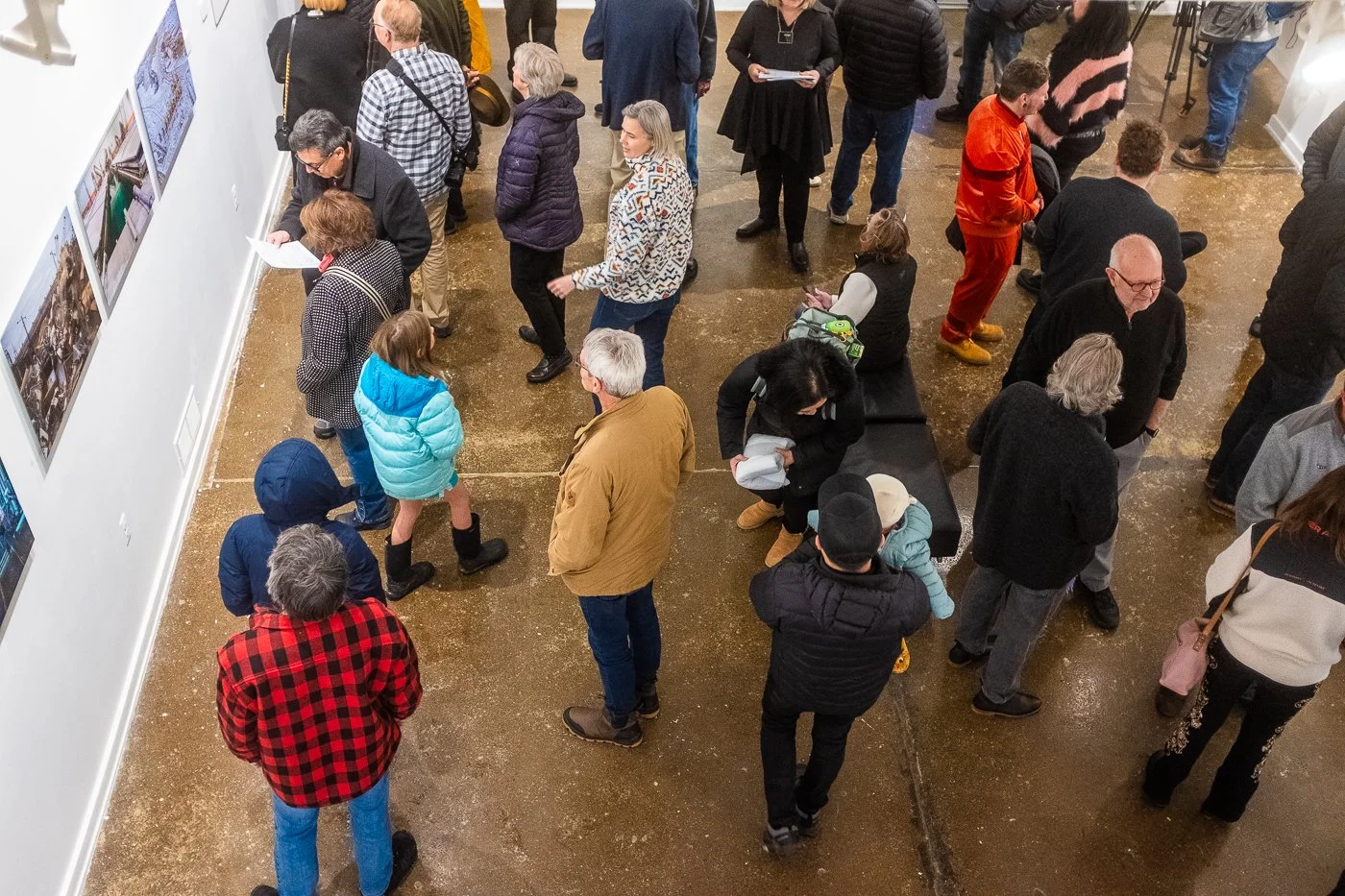
Every Thing Changes - January 17- February 13, 2026
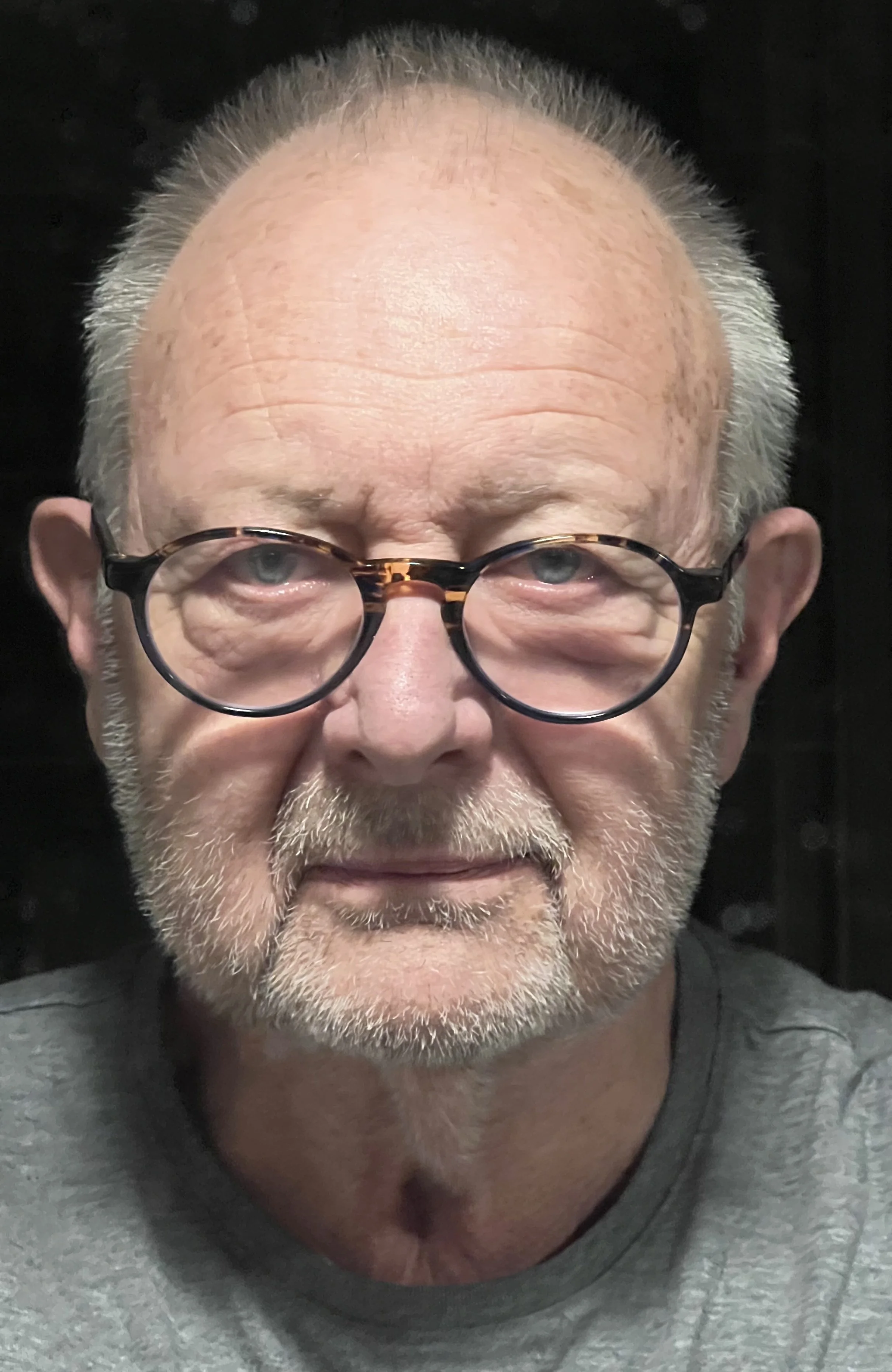
Donald Dietz
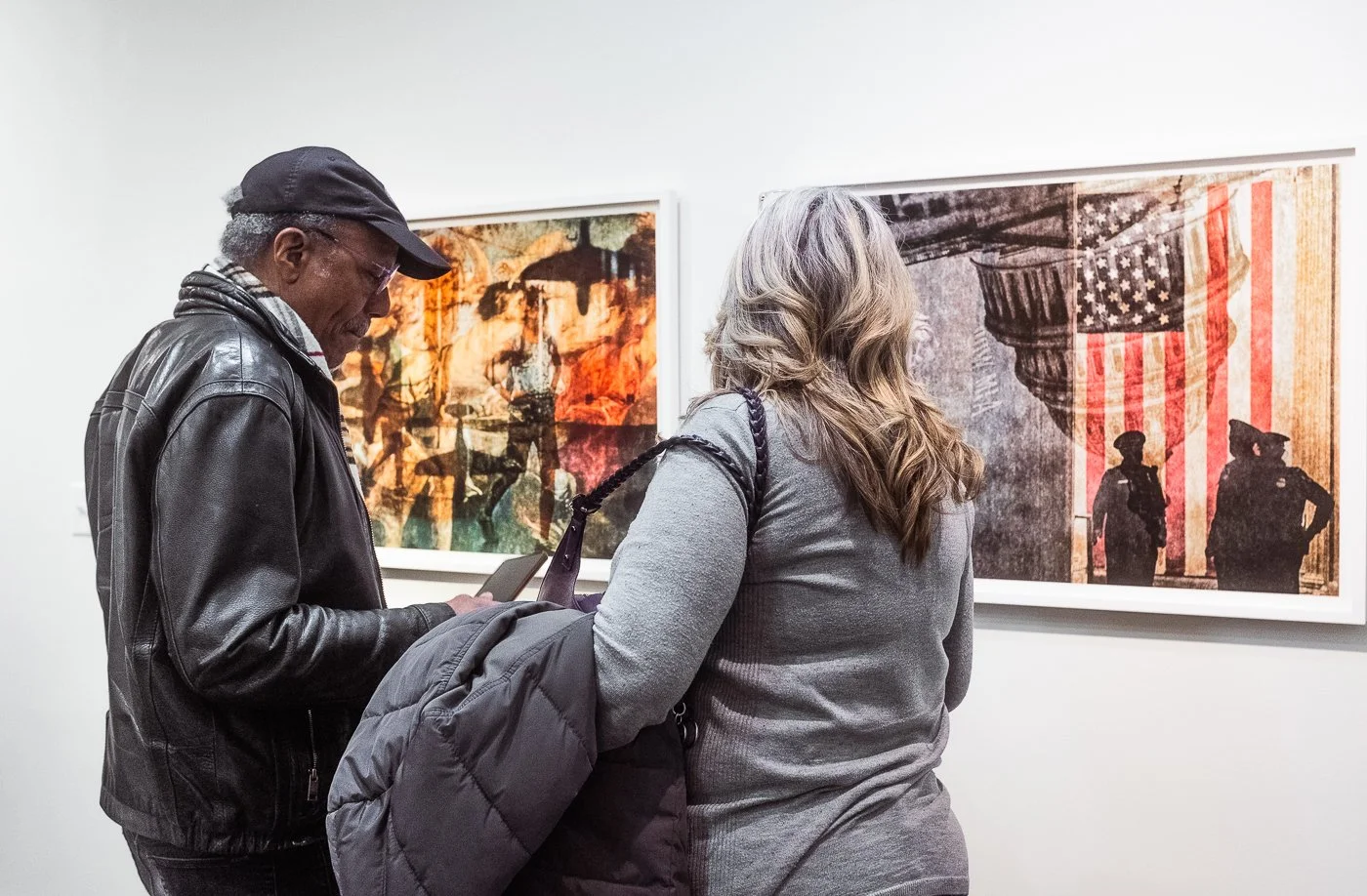
There is a long, and sometimes controversial, history of appropriated imagery in the art world. Think of the work of Hannah Höch, John Heartfield, Barbara Kruger, Robert Rauschenberg or Bob Heineken. But that work was manipulated into being by those artists. My images are inspired more by John Cage’s approach to composing music. They are the result of chance association. I realized one day that looking through a newspaper page instead of at the page let me discover a whole world of new images created by the completely unintentional, random combination of two photographs printed back to back. Unless that combination is recorded it is completely evanescent, because once it’s been read that newspaper is headed for the recycle bin. Since then I save every paper to look for the images I use to produce the prints for this work. Every Thing Changes is a series of prints that has demanded of me the discipline of looking closely at something, then surrendering control to revel in the accident of discovery.
The prints shown here are a subset of this series that embrace change as subject matter. They reflect the desire for, resistance to, and societal impact of change.
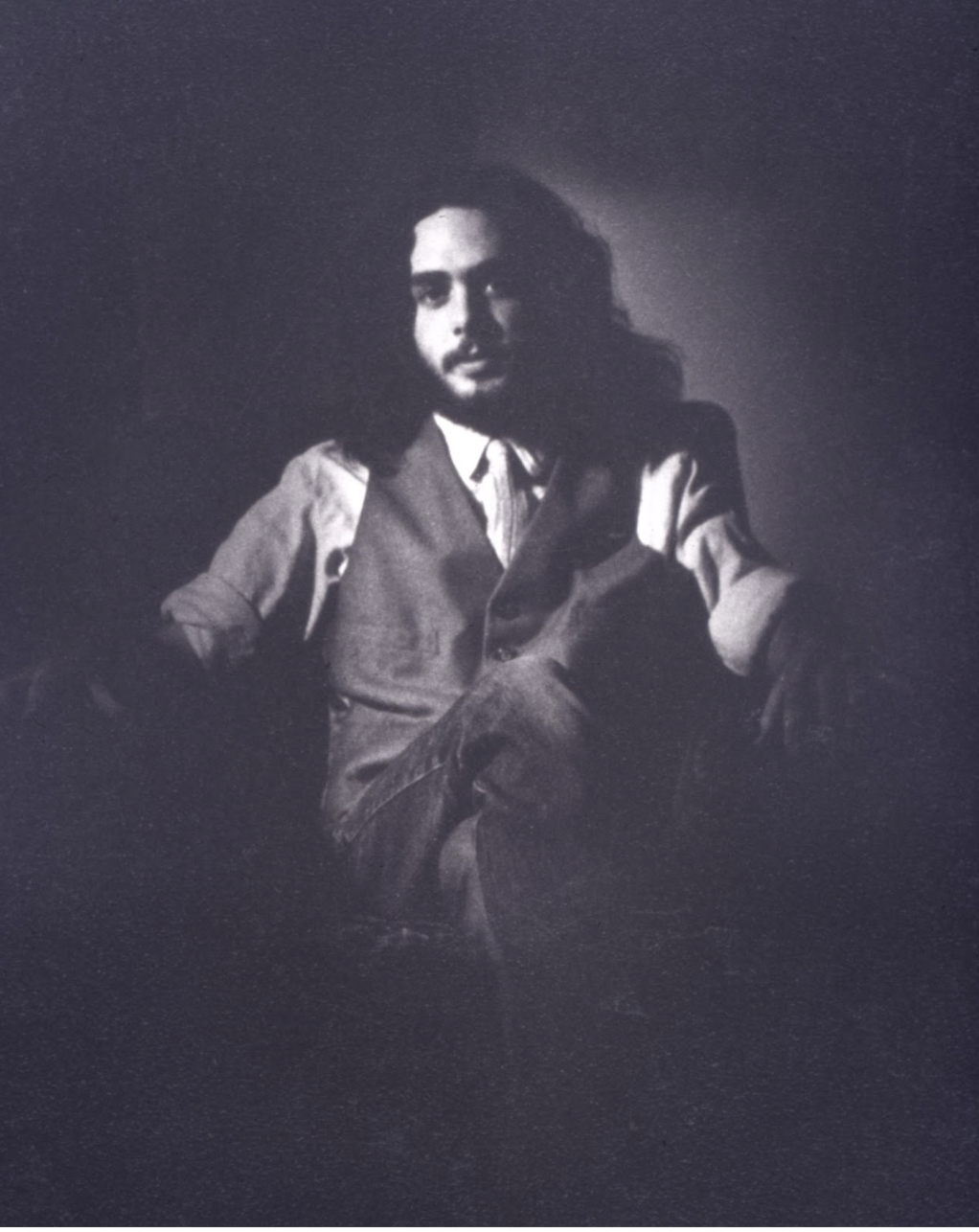
Jim Haefner
These images have always been favorites of mine. For the most part these interiors are places that very few have seen and at least one doesn’t exist anymore. From the moment I captured them I have appreciated the light, texture, color and space that makes these images for me, special. Exhibiting them is a wonderful opportunity and I hope they resonate with you as much as they do with me.
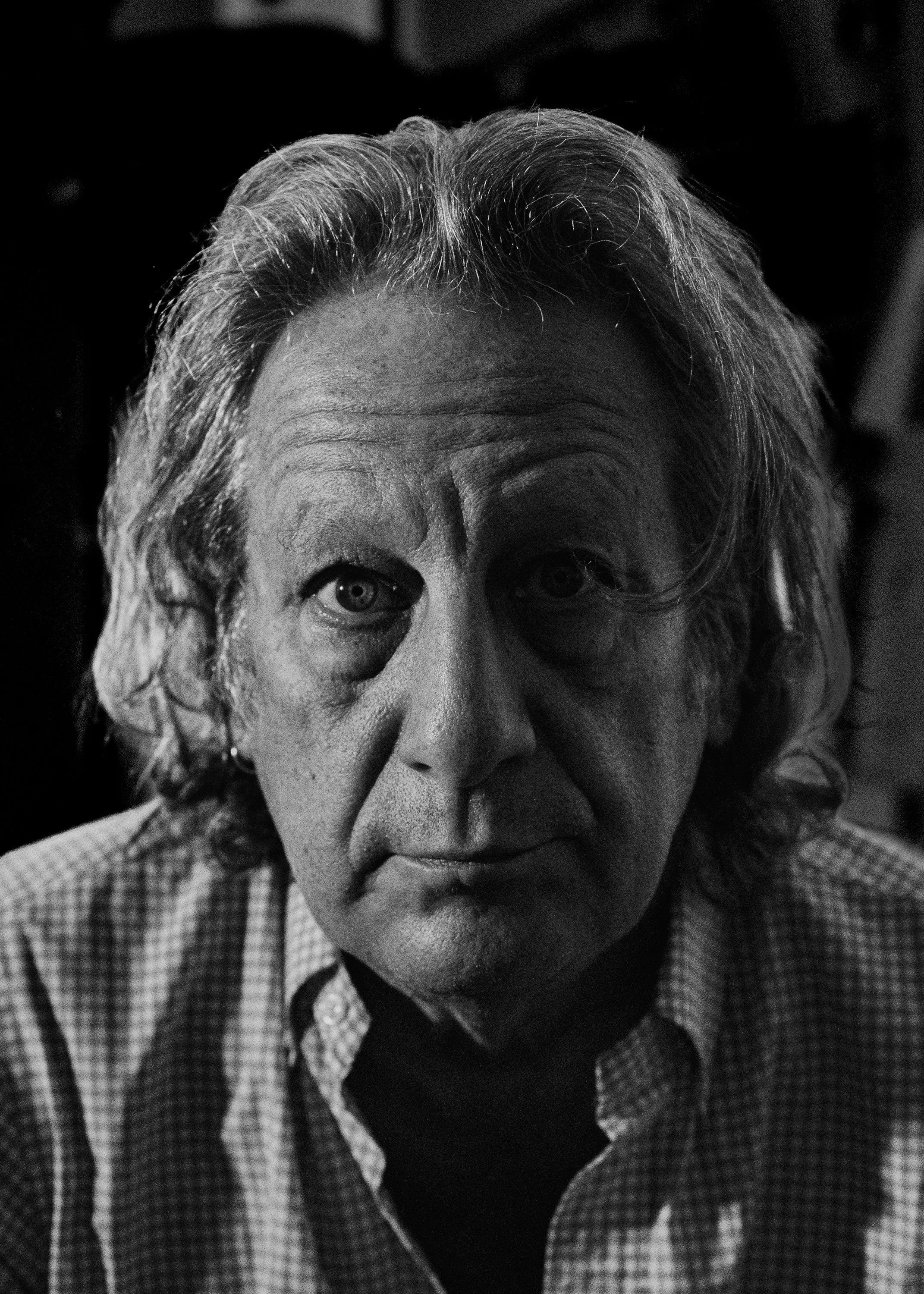
Robert Levy
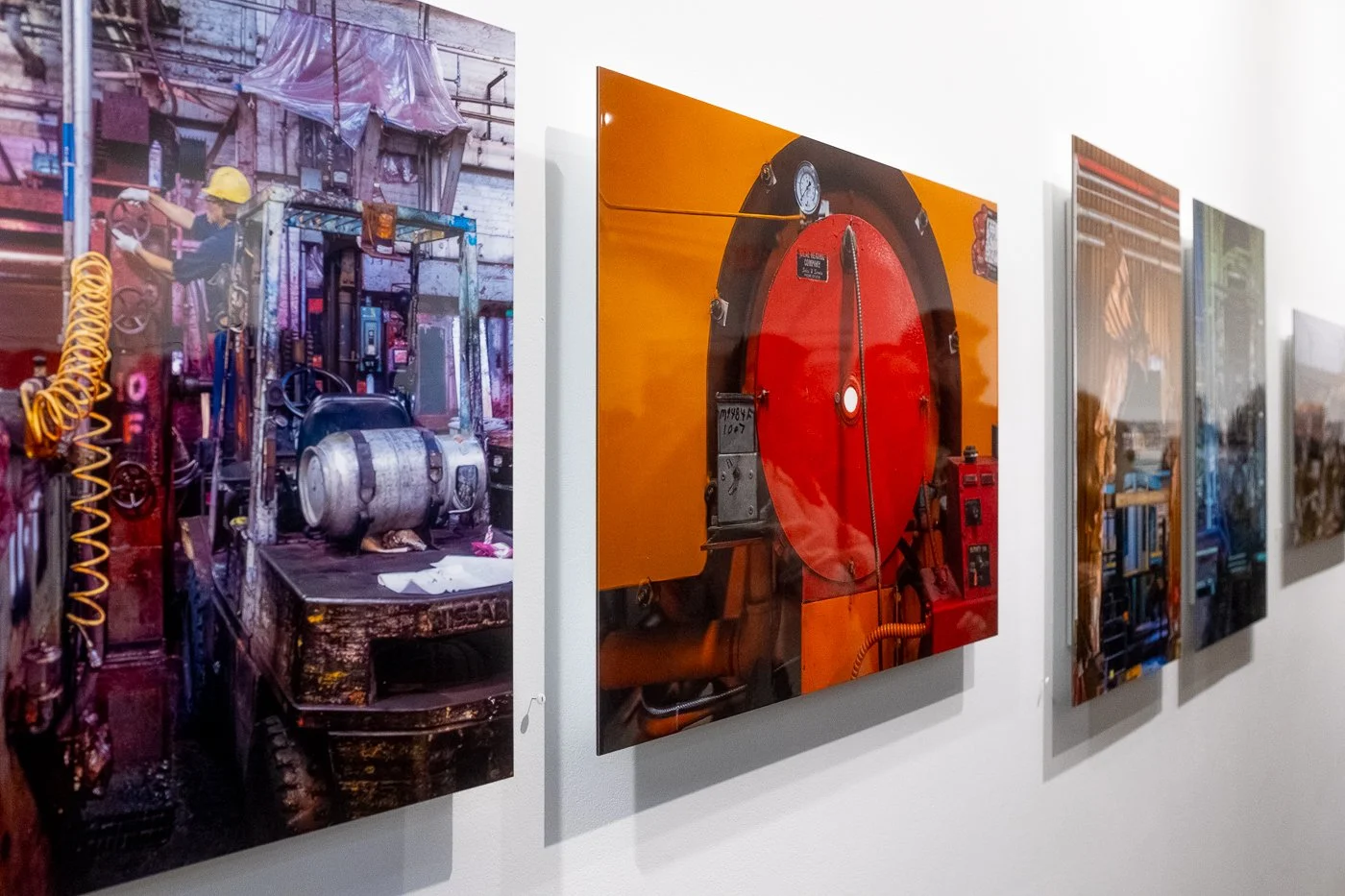
Industrialism is a photographic exploration of large-scale manufacturing environments captured in facilities around the world, taken over four decades. This body of work examines what remains when production ends, when spaces built for power, efficiency, and output fall silent, and time begins to reclaim them.
These images reveal the aftermath of global ambition: massive, echoing structures where industry once roared, now stilled into meditative quiet. Rusting cathedrals of production bear the marks of labor and intention, their original utility faded but not erased. Beauty persists in geometry, surface, shadow, and scale, etched into steel, concrete, and dust.
Rather than documenting decline, Industrialism considers transformation. These spaces exist in suspension, between function and memory, progress and entropy. They reflect humanity’s drive to build, optimize, and expand, and the inevitability of change that follows.
This work invites slow looking. In these remnants of industry, endurance and structure remain, evidence of human ambition, not as spectacle, but as quiet presence. As part of Every Thing Changes, these photographs acknowledge transformation as both constant and unavoidable, reshaping the meaning of the spaces we build.
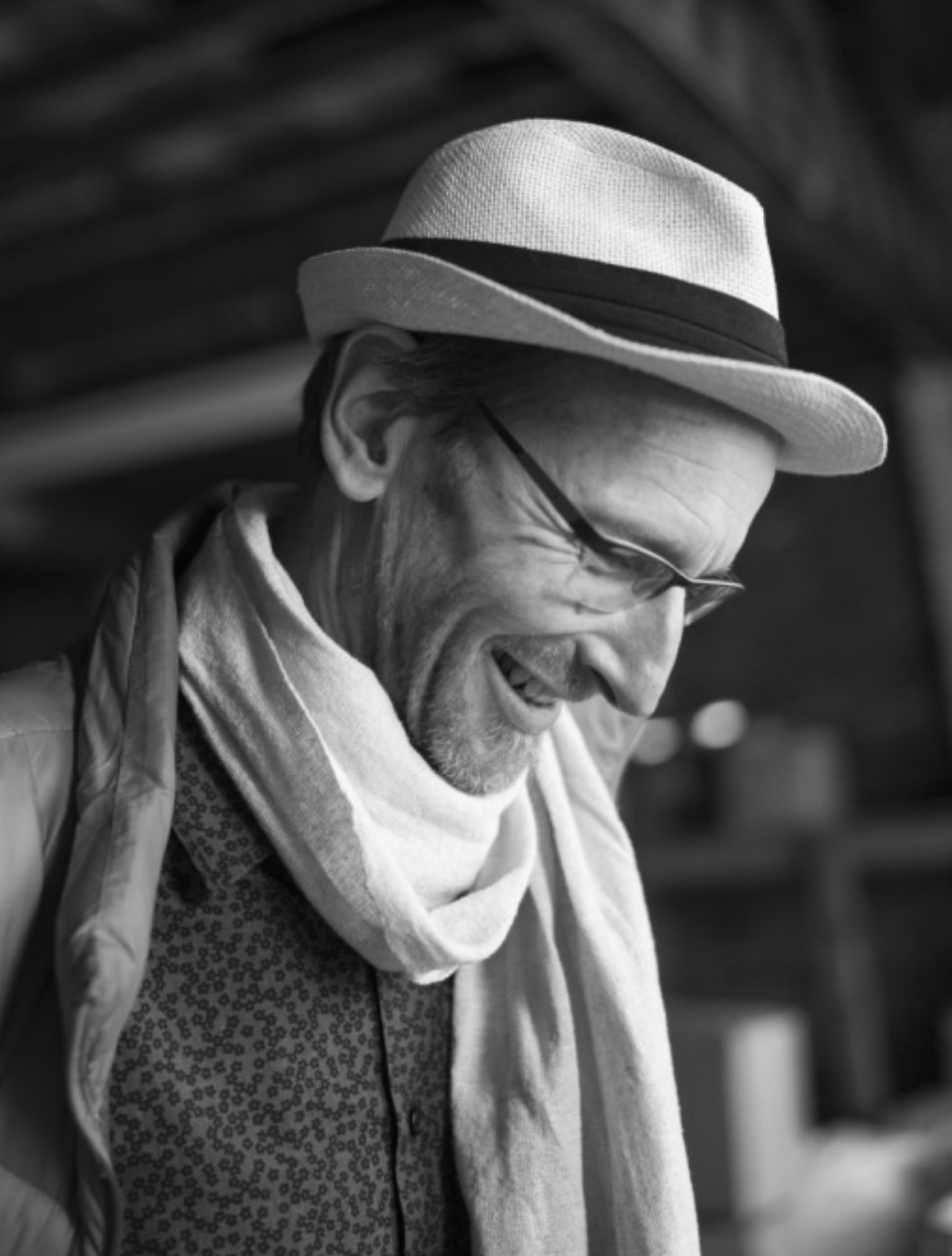
Eric Perry
This work presents the construction of the Gordie Howe International Bridge as a single visual sentence. Printed as a 13" x 240" continuous line, the photographs reject individual framing in the favor of duration.
Black and white emphasizes structure, rhythm, and interruption - the physical language of building. The absence of boarders collapses distinction between images, mirroring the way large systems are formed through accumulation.
After 35 years in commercial photography, this project reflects a shift from assignment to attention. The bridge becomes less an object than a measure of time, labor, and movement. The viewer is asked not to stand still, but to follow.